

Many parents worry their child isn’t getting enough exercise. Between schoolwork, screens, and busy schedules, it can be difficult to know whether your child is staying active enough during the week.
Regular physical activity plays a crucial role in children’s physical health, mental wellbeing, and overall development. But how much movement do primary school children actually need each day?
Here’s what parents should know about the UK’s physical activity guidelines and how to encourage healthy habits at home.
The Recommended Amount of Daily Activity
According to NHS guidance, children aged 5 to 18 should aim for an average of at least 60 minutes of moderate-to-vigorous physical activity every day.
This doesn’t need to happen all at once. Instead, activity can be spread throughout the day and built naturally into daily routines.
Examples of daily activity include:
Playing games at the park
Riding a bike or scooter
Running around at break time
Walking or cycling to school
Taking part in sports clubs
Swimming or gymnastics
The key is that children are moving enough to raise their heart rate and breathe faster.
Not All Activity Needs to Be Organised Sport
When parents think about exercise, they often imagine structured sports sessions. While sports clubs are fantastic for children, unstructured play is just as valuable.
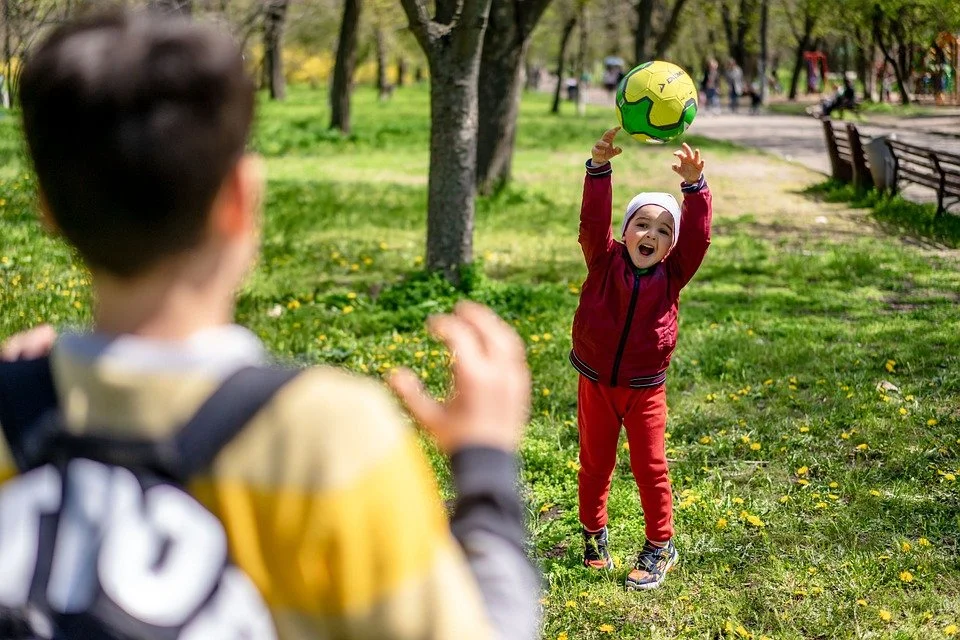
Activities like climbing, chasing games, and exploring outdoors help children develop:
Coordination
Balance
Strength
Confidence
For younger children especially, active play is one of the most effective ways to build healthy movement habits.
A Good Goal: 30 Minutes in School and 30 Minutes at Home
Many schools already provide opportunities for children to be active through PE lessons and playground time. Because of this, experts often suggest a simple target:
30 minutes of activity during the school day and 30 minutes outside school.
Activity during school may include:
PE classes
Active play during break times
Running games with friends
At home, children might stay active by:
Playing outside after school
Attending sports practice
Going for a family walk or bike ride
Small bursts of activity throughout the day quickly add up to the recommended hour.
Why Physical Activity Is So Important for Children
Regular exercise offers a wide range of benefits for growing children.
Physical health benefits
Active children develop:
Stronger bones and muscles
Better cardiovascular health
Improved balance and coordination
Healthy weight management

Mental wellbeing benefits
Exercise also supports children’s mental health. Studies show that physical activity can help improve:
Mood and emotional wellbeing
Sleep quality
Concentration at school
Confidence and social skills
Children who develop active habits early in life are also more likely to remain physically active as adults.
Signs Your Child Might Need More Activity
Every child is different, but some signs that a child could benefit from more movement include:
Spending long periods sitting or using screens
Low energy levels
Difficulty sleeping
Little interest in outdoor play
Encouraging regular activity doesn’t need to be complicated. Often, simple lifestyle changes can make a big difference.
Simple Ways Parents Can Encourage Active Kids
Helping children stay active doesn’t require expensive equipment or strict exercise routines. In fact, the best approach is often to make movement part of everyday life.
Here are some easy ideas for busy families.
Walk or cycle to school
Active travel is one of the simplest ways to build movement into daily routines.
Make activity a family habit
Family walks, weekend bike rides, or playing football together can help children see exercise as fun rather than a chore.
Limit screen time
Reducing time spent on tablets, phones, and gaming consoles naturally encourages more physical play.
Encourage variety
Different activities help children develop different skills. Let them try a mix of sports and outdoor games.
Let children choose activities they enjoy
Children are far more likely to stay active when they are doing something they genuinely like.
The Bottom Line
Primary school children should aim for around 60 minutes of physical activity each day. This can include a mix of sports, outdoor play, walking, cycling, and active games with friends.
The most important thing is consistency. When movement becomes a normal part of daily life, children build habits that support long-term health, confidence, and wellbeing.
Encouraging active play today can help set the foundation for a healthier future.