

Keeping Kids Active During the Christmas Break
The Christmas holidays are a special time for families — a chance to slow down, enjoy traditions and spend time together. But for many parents across the UK, the festive break can also mean less routine, more screen time and fewer opportunities for children to stay active, especially with cold weather and shorter days.
With schools closed and regular clubs on pause, keeping children moving doesn’t have to mean intense workouts or long outdoor sessions. Small, fun bursts of activity can make a big difference to children’s physical health, mood and energy levels over the festive period.
Why Staying Active Matters at Christmas

During the school term, children naturally build movement into their day — PE lessons, playground time and after-school activities all add up. Over the Christmas break, this structure disappears.
Remaining active helps children to:
Burn off extra energy from festive treats
Improve focus and sleep patterns
Support mental wellbeing during darker winter days
Return to school feeling refreshed rather than sluggish
The key is balance, not pressure. Christmas should still feel like a holiday.
Simple Ways to Keep Kids Moving (Even in Winter)
1. Short Activity Bursts at Home
You don’t need lots of space or equipment. Ten minutes here and there adds up:
Mini obstacle courses using cushions or chairs
Star jumps, squats or balance challenges
Balloon volleyball or keep-ups
Dance breaks to favourite songs
These activities are ideal for cold or rainy days when getting outside feels less appealing.
2. Make the Most of Daylight
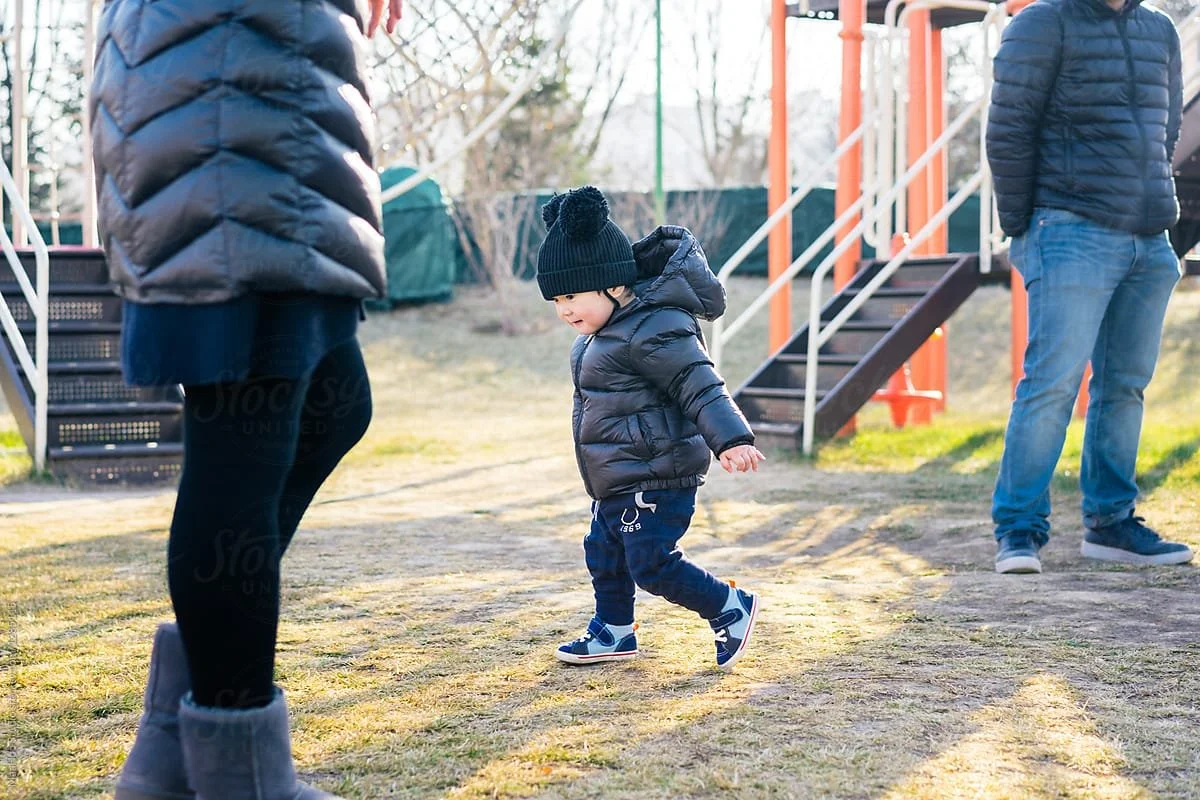
UK winter days are short, but even a quick trip outdoors helps:
A walk to the park or local green space
A kick-about or simple throwing games
Scooting or cycling when weather allows
Wrapping up warmly and getting fresh air can lift everyone’s mood.
3. Turn Family Time into Active Time
Christmas doesn’t have to mean sitting still:
Family walks after meals
Friendly competitions (step counts, scavenger hunts)
Helping with active jobs like tidying, decorating or organising games
Children are more likely to join in when adults lead by example.
4. Use Games, Not “Exercise”
Children respond best to play. Try:
Timed challenges
Reaction games
Skill-based games like catching, passing or agility drills
Keeping it light and fun avoids any pressure and keeps motivation high.
Don’t Worry About Doing Everything
It’s completely normal for routines to slip during the holidays. A few quieter days won’t undo the progress children have made during the term. What matters most is encouraging movement in enjoyable, manageable ways.
Even small amounts of activity help children:
Release energy
Stay confident in their abilities
Feel ready to return to school and clubs in January
Looking Ahead to the New Term
As the Christmas break comes to an end, many families find that children benefit from re-establishing routine and structure. Regular sports sessions and clubs provide consistency, social interaction and a positive outlet for energy — especially during the long winter term.
At Supreme Sport, we’re looking forward to welcoming children back in January and helping them start the new term feeling active, confident and motivated.
From everyone at Supreme Sport, we’d like to wish our families a very Merry Christmas and a happy, healthy New Year. 🎄