

When people think about PE, they often picture children learning to throw, catch, run or score goals. While these physical skills are important, they're only part of the story.
Every PE lesson is an opportunity for children to develop life skills they'll use long after they leave the playground. From building confidence to learning how to work as part of a team, quality physical education helps children grow in ways that reach far beyond sport.
Here are some of the most valuable skills children develop through PE.
Confidence
Not every child arrives at a PE lesson feeling confident. For some, joining in, trying something new or simply speaking up in front of others can feel like a challenge.
A supportive PE environment gives children the chance to experience success at their own level. Whether they've mastered a new skill, encouraged a teammate or simply had the confidence to give something a go, these moments all help build self-belief.
Confidence developed in PE often carries into the classroom, friendships and everyday life.
Resilience
Learning a new skill doesn't always happen on the first attempt.
Children miss catches, lose games and make mistakes – and that's completely normal.
PE teaches children that setbacks are part of learning. With encouragement and positive coaching, they begin to understand that improvement comes through practice, perseverance and trying again.
Developing resilience at a young age helps children approach challenges with a more positive mindset, both in school and beyond.
Teamwork
Working with others is an essential life skill, and PE provides countless opportunities to practise it.
Whether children are playing small-sided games, completing challenges together or supporting classmates, they quickly learn that success isn't always about individual performance.
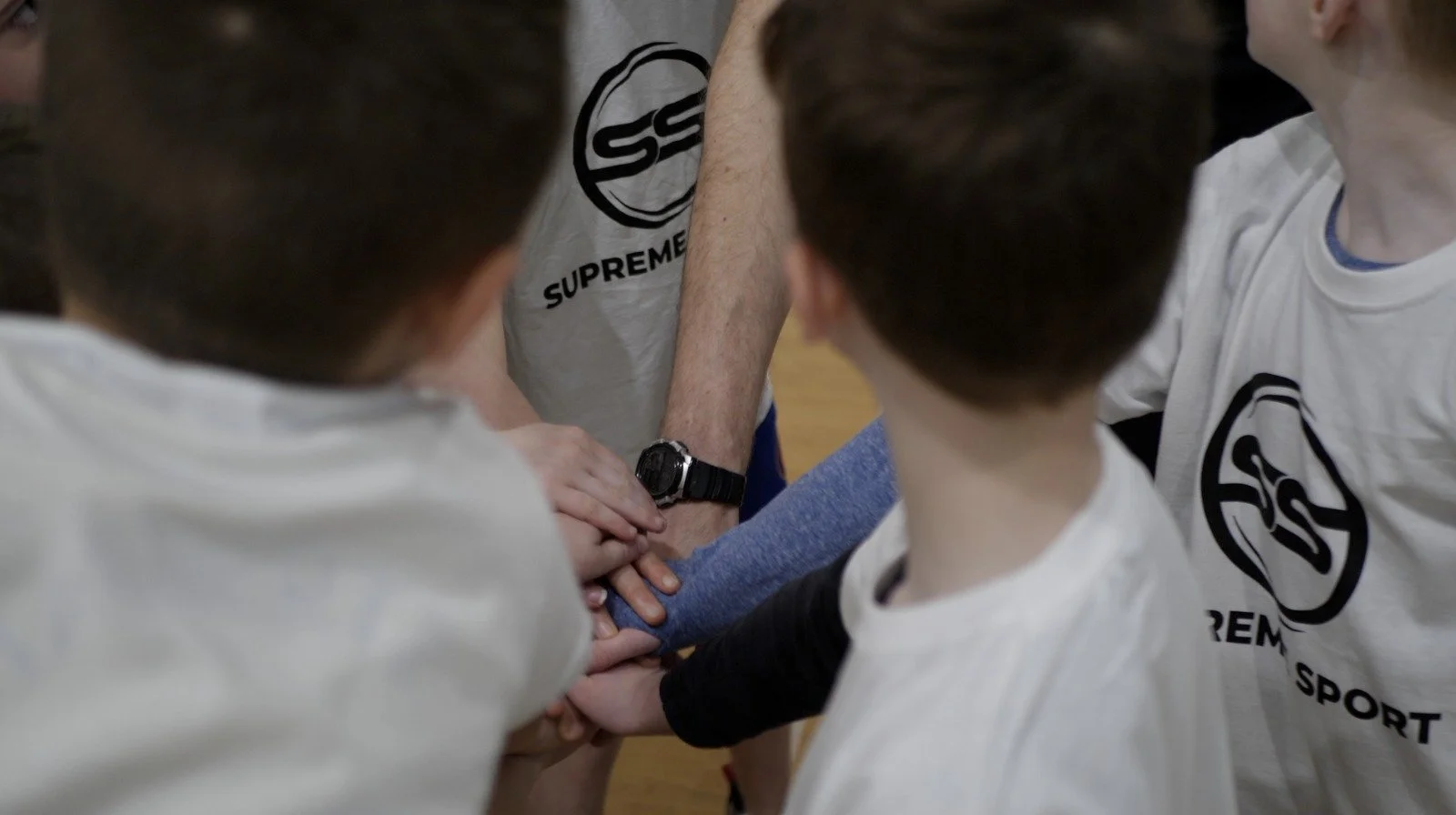
Listening, sharing ideas, encouraging teammates and celebrating each other's achievements all help children become better collaborators.
Communication
Effective communication plays a huge role in physical education.
Children learn to listen carefully to instructions, communicate with teammates and express themselves clearly during activities. They also begin to understand the importance of encouragement and positive language when working with others.
These communication skills continue to develop throughout school and become valuable in every aspect of life.
Respect
One of the greatest lessons PE teaches is respect.
Respect for teammates.
Respect for opponents.
Respect for coaches.
Respect for rules.
Children learn that winning isn't everything. Showing kindness, demonstrating good sportsmanship and treating others fairly are qualities that matter just as much as the final score.
Problem Solving
Many PE activities require children to think, adapt and make decisions in the moment.
How can we work together to complete this challenge?
What's the best way to create space?
How can I improve my technique?
These moments encourage children to think independently, make decisions under pressure and learn from the outcome.
More Than Just Physical Activity
Quality PE isn't simply about keeping children active.
It's about helping them become confident, resilient, respectful young people who are willing to challenge themselves, support others and continue learning.
At Supreme Sport, we believe every PE lesson should develop the whole child, not just their sporting ability. By creating engaging, inclusive and enjoyable sessions, we help children build skills they'll carry with them for years to come.
Because sometimes, the most important things children learn in PE have nothing to do with sport at all.