

When we think about helping children become active, organised sports and structured activities often come to mind first. Football training, PE lessons, swimming lessons and sports clubs all provide valuable opportunities for children to learn new skills and develop their confidence.
But what about the time in between?
Climbing at the playground, inventing a game in the garden, building an obstacle course or simply running around with friends can be just as valuable in a child's development.
Unstructured play gives children the freedom to move, explore and learn in their own way. It doesn't need a coach, a timetable or a specific outcome. Sometimes, the greatest benefits come from allowing children to decide what happens next.
What Is Unstructured Play?
Unstructured play is child-led activity without a set lesson plan, formal rules or a specific learning objective.
Unlike organised sport, where an adult might demonstrate a technique or explain the rules of a game, unstructured play allows children to take the lead.
It could include:
Making up a new game with friends.
Exploring a local park or playground.
Creating an obstacle course using cushions or safe household objects.
Playing catch, hide-and-seek or tag.
Dancing to music or inventing movement challenges.
Building a den or creating an imaginary adventure.
The important part is that children have the freedom to make choices, experiment and adapt their play as they go.
1. It Encourages Creativity and Problem-Solving
Have you ever watched children invent a game together? The rules can change several times before they've even finished explaining them!
That flexibility is part of what makes unstructured play valuable.
Children might need to decide how a game works, find a solution when something goes wrong or work out how everyone can join in. They learn to experiment, adapt their ideas and solve problems independently.
For example, children creating an obstacle course might decide how to arrange the equipment, choose different ways to move through it and change the challenge when it becomes too easy.
These opportunities encourage independent thinking and give children the confidence to try their own ideas.
2. It Helps Develop Fundamental Movement Skills
Children don't develop physical skills exclusively through formal sports coaching.
Running, jumping, climbing, balancing, throwing and catching can all happen naturally during play.
When children move freely, they have opportunities to practise these fundamental movement skills in different situations. They can experiment with speed, direction, balance and coordination without necessarily realising they're learning.
A visit to the park, for example, might involve balancing, climbing, jumping and navigating different surfaces.
These experiences can help build the foundations children use when participating in organised sports and other physical activities.
3. It Supports Confidence and Independence
Structured activities often involve instructions, demonstrations and guidance from adults. These are important, particularly when children are learning unfamiliar skills.
Unstructured play offers something different: the opportunity to make decisions independently.
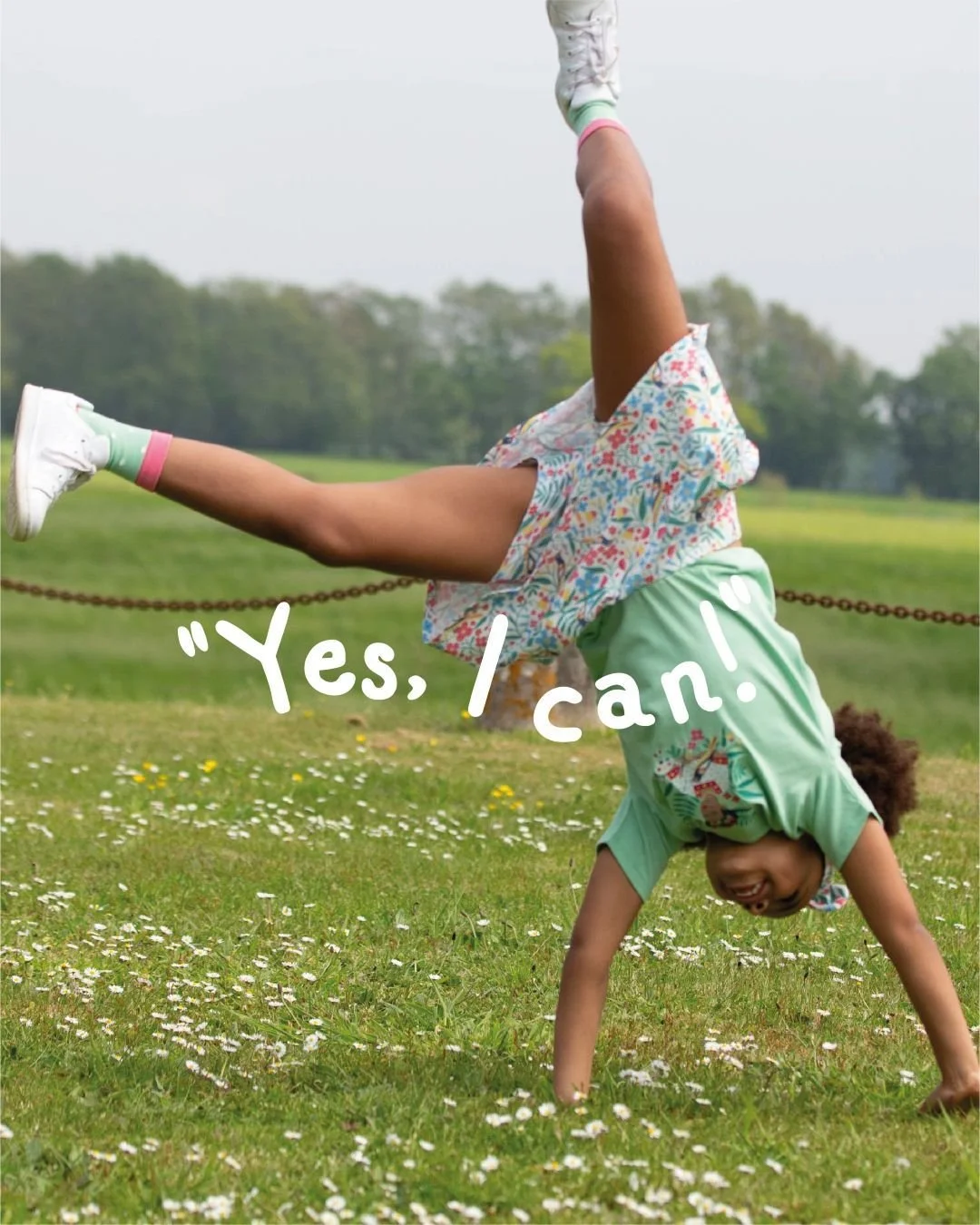
Children can choose what to try, decide how challenging they want an activity to be and discover their own ways of doing things.
They might attempt a new movement, change their approach when something doesn't work or invent a game that reflects their interests.
Having the freedom to make these choices can help children develop a sense of independence and become more comfortable experimenting with new ideas.
The aim isn't for children to succeed at everything they attempt. It's to give them opportunities to explore, learn and build confidence at their own pace.
4. It Teaches Valuable Social Skills
When children play together without an adult directing every moment, they have opportunities to practise important social skills.
They may need to negotiate rules, take turns, share equipment, listen to different ideas or resolve disagreements.
Imagine a group of children inventing a team game. They need to agree on how to play, decide who takes each role and work out what happens when someone wants to change the rules.
These small interactions can help children practise communication, cooperation and understanding other people's perspectives.
Of course, children may still need adult support when disagreements arise. The aim is to give them appropriate opportunities to work through everyday challenges while knowing that help is available when needed.
5. It Makes Movement Enjoyable
Not every child immediately enjoys organised sport, and not every child wants to compete.
Some children love learning techniques and working towards a goal. Others prefer imaginative games, exploring outdoors or making up activities with friends.
Unstructured play provides opportunities for children to discover what they enjoy without the pressure of performing a particular skill or achieving a result.
This matters because positive experiences of movement can help children see physical activity as something enjoyable, rather than simply another task to complete.
The more opportunities children have to explore different ways of being active, the more chances they have to find activities that suit their interests and abilities.
How Can Parents Encourage More Unstructured Play?
The good news is that unstructured play doesn't need to involve expensive equipment, elaborate planning or a full day of activities.
Here are five simple ways to encourage it at home, particularly during school holidays.
1. Make time for outdoor exploration. Visit a local park, walk along a new route or let children explore an appropriate outdoor space. Allow time for them to notice things, invent games and choose how they want to play.
2. Let boredom spark ideas. Children don't need to be entertained every minute. If they say they're bored, give them a little time and encouragement to come up with their own activity.
3. Keep simple equipment available. Balls, chalk, skipping ropes, cushions and cardboard boxes can inspire all sorts of games and challenges.
4. Let children take the lead. Rather than explaining exactly how an activity should work, ask what they would like to try and allow them to develop their own ideas.
5. Balance different types of activity. Organised sport, family activities, outdoor play, creative hobbies and quiet downtime can all have a place in a child's routine.
Adults should still provide appropriate supervision and ensure that play takes place in a safe environment, particularly when children are climbing, using equipment or playing outdoors.
Does This Mean Organised Sport Is Less Important?
Not at all.
Structured sport and unstructured play offer different, complementary experiences.
Organised sport gives children opportunities to receive coaching, practise specific techniques, understand rules, work towards goals and develop skills over time.
Unstructured play allows them to explore movement independently, experiment with ideas and enjoy being active without a predetermined outcome.
Children benefit from having opportunities for both.
A child might learn how to pass a ball during a coached session, then use that skill in a game they've invented with friends. Equally, the confidence and coordination developed through free play can support their participation in organised activities.
Neither needs to replace the other.
At Supreme Sport, we believe children should have opportunities to develop their skills, build confidence and discover the enjoyment of movement. Structured PE and sports coaching play an important role in this, while time for child-led play provides another valuable way to explore physical activity.
Making Room for Every Kind of Play
Helping children develop an active lifestyle isn't only about filling their schedules with organised activities.
It's also about creating opportunities for them to explore, experiment, socialise and enjoy movement in their own way.
Whether it's inventing a game in the garden, exploring the playground or taking part in a coached sports session, different experiences can help children develop physically, socially and emotionally.
This half-term, consider making a little room for child-led play. You don't need to organise every activity or turn every moment into a learning opportunity. Sometimes, giving children the space and freedom to play is a valuable starting point in itself.
At Supreme Sport, we believe every child deserves the opportunity to move, learn, play and grow. To explore how we support schools through curricular PE and extracurricular sports provision, visit the 'For Schools' section of our website.